

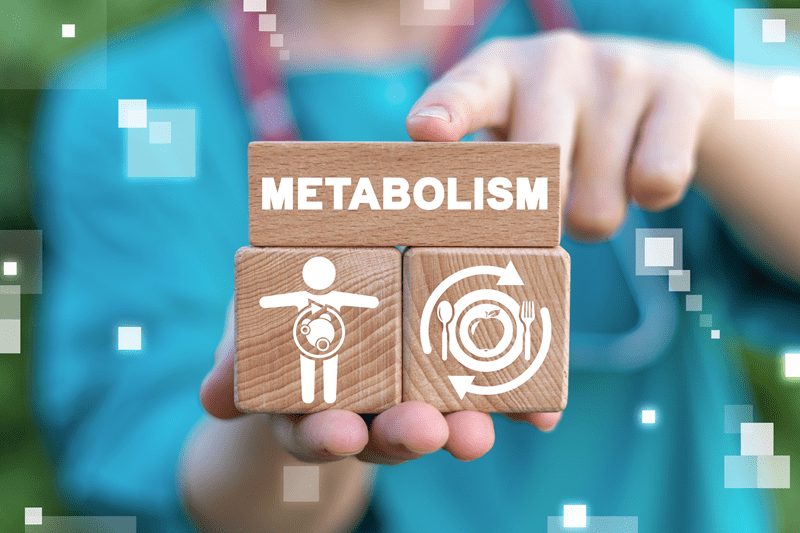
Metabolism myths shape how people think about food, weight, and health from a very young age. Many common metabolic myths are repeated so often that they start to feel true, even when science says otherwise. Metabolic health misconceptions overlap with metabolism myths and facts, creating confusion about eating, exercise, and body size. Here’s the thing: most of these beliefs began as minor misunderstandings that grew over time. What this really means is that learning the basics can clear a lot of stress and guilt.
Metabolism myths spread easily because they sound comforting and straightforward. Simple answers feel better than complex truths, especially around health topics.
Several factors help common metabolism myths travel far
Metabolic health misconceptions often survive because they feel familiar, not because they are accurate.
Related Article: Unlocking the Metabolism Code for Lasting Weight Control
Metabolism is the set of processes that sustain life. It includes how food turns into energy and how that energy is used.
Metabolism supports
Metabolism myths often describe it as fragile or broken. Metabolism myths and facts get tangled when people forget the body works all the time, not only when exercising.
One of the most common metabolism myths is the idea of a permanently slow metabolism.
People often believe
What this really means is that many factors influence weight. Metabolic health misconceptions grow when metabolism is blamed instead of habits, sleep, stress, and routine.
Age is often blamed for body changes, yet metabolism myths exaggerate its effect.
While metabolism can shift slightly with age, lifestyle changes matter more. Less movement, less sleep, and stress play bigger roles.
Metabolism myths and facts get confused when people ignore behavior changes and only blame biology.
Many common metabolism myths focus on when food is eaten instead of what and how much.
People often hear
Here’s the thing: the body adapts. Metabolic health misconceptions grow when rigid food rules replace balanced eating.
Exercise is linked to many metabolism myths that promise quick results.
Common ideas include
What this really means is that movement helps health in many ways, but it does not change metabolism overnight. Metabolism myths and facts collide when effort is mistaken for instant biology change.
Muscle does use more energy than fat, but not to the extreme levels often claimed.
Muscle supports
Common metabolism myths exaggerate muscle effects, creating unrealistic expectations. Real change comes slowly.
A Closer Look at This: Intuitive Eating Tips to Improve Your Relationship with Food
Many supplements and diet products rely heavily on metabolism myths.
Products often claim
Here’s the thing: no product rewrites human biology overnight. Metabolic health misconceptions grow when marketing replaces evidence.
Metabolic health misconceptions influence daily decisions more than people realize.
They often cause
Metabolism myths and facts must be separated to support both physical and mental health.
Science explains metabolism as flexible and adaptive.
Metabolism is shaped by
Metabolism myths oversimplify these systems. Understanding metabolism myths and facts leads to calmer, healthier choices.
Online platforms help common metabolism myths spread faster.
Trends favor
Here’s the thing: real metabolic health improvements are quiet and steady. Metabolic health misconceptions often drown out the truth.
Culture influences metabolism myths through traditions and shared beliefs.
These include
What this really means is that beliefs affect health behavior as much as science does.
Here is a simple breakdown.
Healthy habits shall include the following:
By having faith in your ability to learn about metabolic misconceptions, you will feel less fear of them. In addition, by having faith in the learning process, you can gain clarity about the distinction between metabolic misconceptions and truths.
Sustaining good metabolic health requires being consistent; therefore, there are no tricks.
Everyday behaviors can be made simple:
Misunderstandings about metabolic health will fade as they become part of a healthy routine and are naturally incorporated into people’s daily lives.
Kids Early Learn Metabolism Myths through Behaviors and Language.
Positive messages consist of:
These create a sense of body trust and self-confidence.
Metabolism myths affect emotions as much as bodies.
These myths can cause
What this really means is that truth supports emotional peace.
Questioning ideas protects health.
Consider
Metabolism myths and facts separate faster with curiosity.
Balance matters more than extremes. Nobody is broken. No metabolism is ruined.
Health is built slowly, with care and consistency.
Worth A Look: Master the Art of Reading Nutrition Labels Like a Pro
People are influenced by what they believe about metabolism, how they move and eat, and how they see themselves. The metabolism/mitochondria myths have confused and distorted scientific concepts by mixing fiction with facts about metabolism and its workings. Understanding the differences between these two myths/facts about metabolism and how to change your habits to be healthier and think critically will help you live a better life over time, free from fear through the steady growth of knowledge in a simple, balanced way.
Yes, you can influence it. While your basal metabolic rate has a genetic component, you can increase the calories your body burns by building muscle and increasing your daily physical activity. Your metabolic health is mainly in your control through lifestyle.
Most over-the-counter supplements promising a significant metabolism boost are ineffective and can be unsafe. They often rely on stimulants that cause a minor, temporary increase. Long-term metabolic health is built on nutrition, exercise, and sleep, not pills.
It can be, but not because your metabolism is doomed. Age-related muscle loss and a natural decrease in activity are common culprits. Prioritizing strength training and protein intake can effectively combat these changes.
Consistent changes in muscle mass and daily habits can begin influencing your metabolic health within a few weeks. Improvements in how your body handles blood sugar and energy can be seen relatively quickly with sustained healthy habits.
This content was created by AI